The answer — one pick, priced
Get the
OMRON Bronze (3 Series)
$37 under your budget
NCOA and AARP's best value — the cheapest route to Omron's AHA-recommended validation, listed on the official U.S. Validated Device List.

Some links earn us a commission — it never changes the pick. Winners are chosen before payouts are checked.
Fit ledger — need → measured evidence
■ The catch — co-equal billing, always
It's basic on purpose. Fourteen readings on the device, no TruRead averaging, no AFib detection — and Omron's advanced app analytics sit behind a paid subscription. You are buying validated accuracy, not a data platform.
Dealbreaker? Runner-up №2 adds TruRead averaging + AFib for $54 more ↓
■ Every product has a catch. Verdicts that hide it are how bad buys happen.
Runners-up — if your needs differ
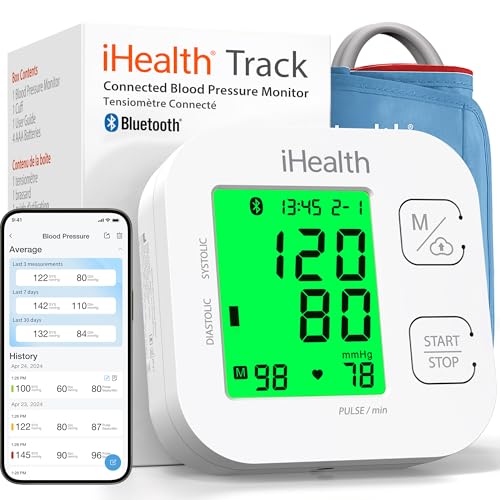
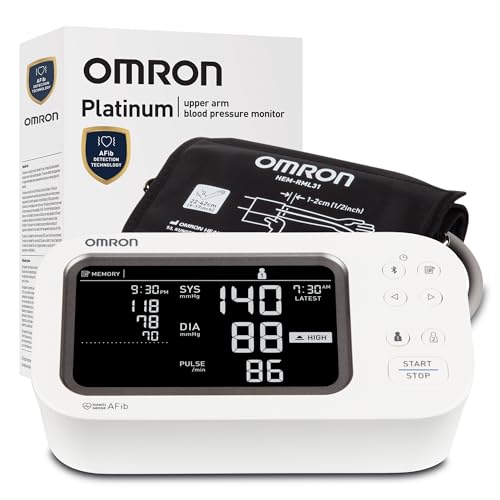

Adjacent verdicts — same method
Traps — this verdict avoids
Store brands aren't validated
Consumer Reports tested 20+ monitors against mercury sphygmomanometers and found generic CVS/Walgreens/Walmart store brands underperform validated name-brand units. We only pick monitors on an official validated-device list.
Cuff fit is the accuracy killer
A cuff that is too small reads high, one too large reads low. Standard cuffs fit 8.6-16.5 in (22-42 cm) — measure your upper arm before you buy; larger arms need an XL cuff.
Wrists and smartwatches
Wrist, fingertip and smartwatch blood-pressure features are not clinically validated for routine home diagnosis. The AHA recommends validated upper-arm cuffs — and a validated cuff only holds ±3 mmHg with correct technique (rested, seated, arm at heart level, no talking).
Provenance — 6 sources, dated
Winners are picked before affiliate payouts are checked, from the full research dossier at knowledgelib.io. Prices, stock and listings are re-verified monthly by an automated pipeline. Some links earn us a commission — it never changes the pick, and we say so here rather than in a footer you'd never read.