The answer — one pick, priced
Get the
Acer Aspire 5 14
$151 under $500
The cheapest laptop that still clears nursing-program minimums — a Core i5 and Thunderbolt 4 for around $349, recommended across 7 sources.

Some links earn us a commission — it never changes the pick. Winners are chosen before payouts are checked.
Fit ledger — need → measured evidence
■ The catch — co-equal billing, always
It ships with only 8GB of RAM. That clears the bare minimum but leaves no headroom for EHR clients, Zoom and 20 browser tabs at once — and there's no touchscreen, in a heavier 3.3 lb build. It's the floor, not a four-year machine.
Dealbreaker? The ASUS Vivobook 14 doubles RAM to 16GB and storage to 1TB for ~$210 more ↓
■ Every product has a catch. Verdicts that hide it are how bad buys happen.
Runners-up — if your needs differ

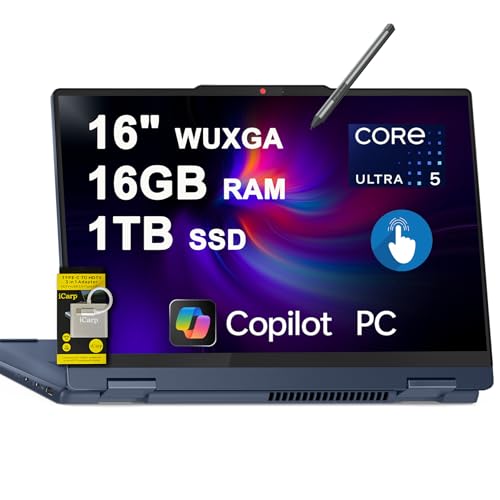

Adjacent verdicts — same method
Traps — this verdict avoids
The macOS clinical gap
About 85% of hospitals run Windows-based EHR systems (Epic, Cerner), and proctoring tools like ExamSoft and Respondus often require Windows. Buy a Mac only after your program confirms macOS is allowed — otherwise you may need Parallels or Citrix to run clinical software.
8GB is a two-year machine
Most nursing programs list 8GB RAM and a 256GB SSD as the minimum, but 16GB is the real four-year floor for running EHR clients, Zoom lectures and 20 browser tabs at once. Buy the memory up front.
Battery claims vs clinical reality
Clinical rotations run 8+ hours without a guaranteed outlet, but manufacturer battery figures are lab loops — real use with clinical software, Zoom and multiple tabs cuts runtime 20-30%. Judge picks by tested hours, not the box.
Provenance — 7 sources, dated
Winners are picked before affiliate payouts are checked, from the full research dossier at knowledgelib.io. Prices, stock and listings are re-verified monthly by an automated pipeline. Some links earn us a commission — it never changes the pick, and we say so here rather than in a footer you'd never read.