The answer — one pick, priced
Get the
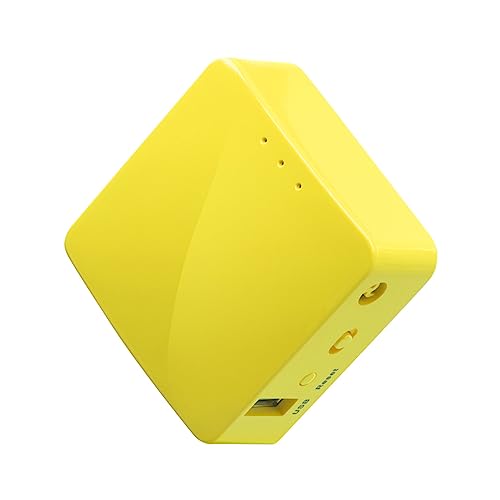
GL.iNet Mango
$50 under your budget
The only credible pick under $50 — 1.4 oz and pocket-sized, it shares hotel WiFi through one captive-portal login and runs WireGuard as a disposable backup.
Some links earn us a commission — it never changes the pick. Winners are chosen before payouts are checked.
Fit ledger — need → measured evidence
■ The catch — co-equal billing, always
It's slow, and it shows. WiFi 4 at 300 Mbps and 100 Mbps Ethernet are dated by 2026 standards, and VPN caps around 45 Mbps. This is a backup and a budget stopgap — if it's your only router, spend up on the Beryl AX for real WiFi 6 speed.
Dealbreaker? The Beryl AX is 3-4x faster with real WiFi 6 ↓
■ Every product has a catch. Verdicts that hide it are how bad buys happen.
Runners-up — if your needs differ

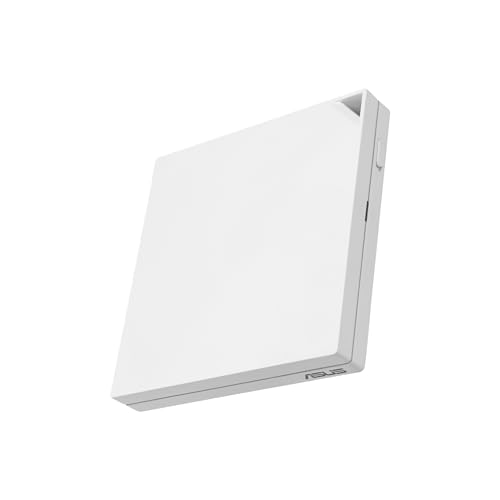
Adjacent verdicts — same method
Traps — this verdict avoids
It shares, it can't create
A travel router rebroadcasts a connection you already have — hotel WiFi, a wired jack, or a tethered phone. It carries no cellular modem of its own; only the $470 Nighthawk M7 has a built-in 5G radio. Buy one expecting standalone internet and you'll be stranded.
WiFi 7 you can't feel
The WiFi 7 models (Slate 7, Beryl 7, Roam 7) skip the 6 GHz band, and hotel/airport upstream typically runs just 10-100 Mbps. On real travel WiFi a WiFi 7 router performs the same as a WiFi 6 one — the hotel line is the bottleneck, not the standard.
The VPN protocol tax
VPN speed swings 3-10x by protocol — WireGuard is far faster than OpenVPN, and cheap routers choke: the Mango maxes out at ~45 Mbps on WireGuard. Judge a VPN travel router by its WireGuard throughput, never its headline WiFi rating.
Provenance — 8 sources, dated
Winners are picked before affiliate payouts are checked, from the full research dossier at knowledgelib.io. Prices, stock and listings are re-verified monthly by an automated pipeline. Some links earn us a commission — it never changes the pick, and we say so here rather than in a footer you'd never read.